
Understanding the Importance of Bus Wiper Blades: Ensuring Safety and Visibility
Release Time:
Jan 08,2026
Wiper blades are a fundamental component of vehicle safety systems, especially for buses that transport numerous passengers. The efficient functioning of bus wiper blades is vital for ensuring clear visibility in adverse weather conditions, such as rain, snow, or fog. Understanding the technical aspects of these components can significantly impact their performance and longevity. One of the primar

Wiper blades are a fundamental component of vehicle safety systems, especially for buses that transport numerous passengers. The efficient functioning of bus wiper blades is vital for ensuring clear visibility in adverse weather conditions, such as rain, snow, or fog. Understanding the technical aspects of these components can significantly impact their performance and longevity.
One of the primary factors that influence the effectiveness of bus wiper blades is the material used in their construction. Typically, wiper blades are made from rubber, silicone, or a combination of both. Rubber blades are often cost-effective but may wear out more quickly due to environmental exposure. In contrast, silicone wiper blades offer superior performance in extreme weather conditions, boasting a longer lifespan and better resistance to UV rays and ozone. Selecting the right material based on the operational environment can enhance performance and minimize replacement frequency.
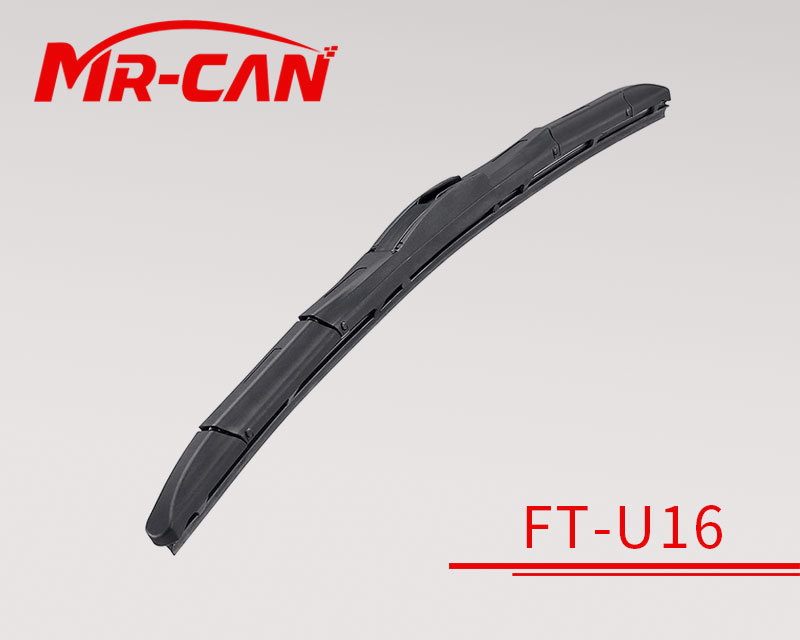
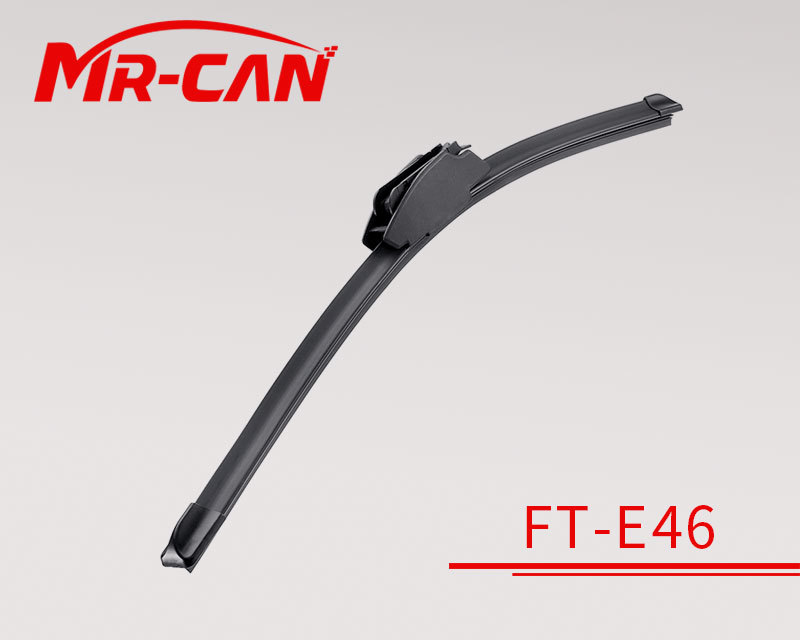
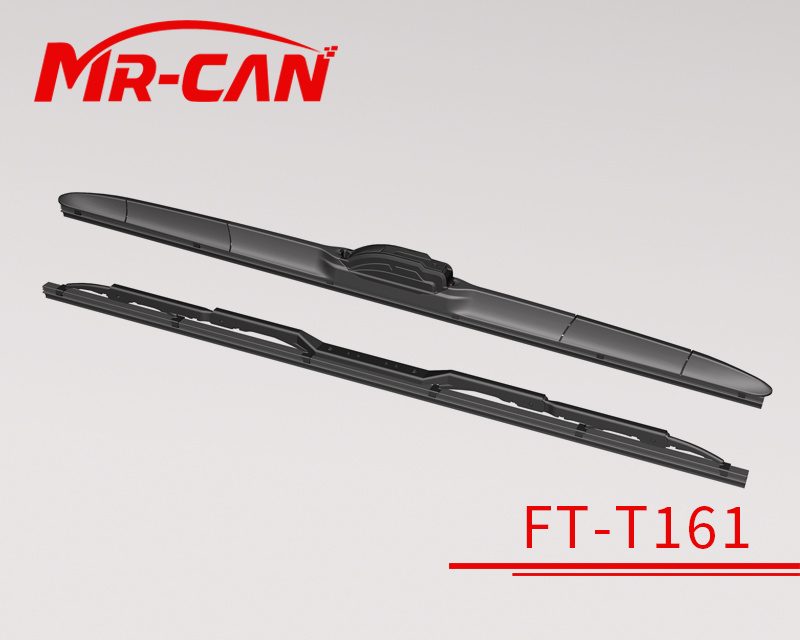
The design of bus wiper blades is also critical. Conventional blades, while widely used, may not provide adequate coverage for larger windshields found on buses. As a result, manufacturers have developed specific designs that optimize the sweep area, ensuring that the entire windshield is cleared of water or debris. Features such as aerodynamic shapes help reduce wind lift at high speeds, while advanced blade technology, including beam and hybrid designs, further improve contact with the windshield.
Regular maintenance of bus wiper blades is essential to ensure they function effectively. Factors such as debris accumulation, wear, or damage can impair their performance. Professionals should recommend regular inspections and replacements every six months or whenever there are visible signs of degradation, such as streaking or chattering. Additionally, educating clients about proper usage, such as ensuring that blades are not used on dry windshields, can prolong the life of the wipers.
When discussing the importance of bus wiper blades with clients, it is essential to emphasize their role in safety. Poor visibility caused by ineffective wiper blades can lead to accidents, putting passengers and drivers at risk. Therefore, investing in high-quality wiper blades and maintaining them diligently is not only prudent but necessary for overall safety.
In conclusion, understanding the significance of bus wiper blades, including their materials, designs, and maintenance practices, is vital for professionals in the automotive industry. By emphasizing quality and care, businesses can enhance passenger safety and satisfaction, making a compelling case for the importance of these often-overlooked components.
One of the primary factors that influence the effectiveness of bus wiper blades is the material used in their construction. Typically, wiper blades are made from rubber, silicone, or a combination of both. Rubber blades are often cost-effective but may wear out more quickly due to environmental exposure. In contrast, silicone wiper blades offer superior performance in extreme weather conditions, boasting a longer lifespan and better resistance to UV rays and ozone. Selecting the right material based on the operational environment can enhance performance and minimize replacement frequency.
The design of bus wiper blades is also critical. Conventional blades, while widely used, may not provide adequate coverage for larger windshields found on buses. As a result, manufacturers have developed specific designs that optimize the sweep area, ensuring that the entire windshield is cleared of water or debris. Features such as aerodynamic shapes help reduce wind lift at high speeds, while advanced blade technology, including beam and hybrid designs, further improve contact with the windshield.
Regular maintenance of bus wiper blades is essential to ensure they function effectively. Factors such as debris accumulation, wear, or damage can impair their performance. Professionals should recommend regular inspections and replacements every six months or whenever there are visible signs of degradation, such as streaking or chattering. Additionally, educating clients about proper usage, such as ensuring that blades are not used on dry windshields, can prolong the life of the wipers.
When discussing the importance of bus wiper blades with clients, it is essential to emphasize their role in safety. Poor visibility caused by ineffective wiper blades can lead to accidents, putting passengers and drivers at risk. Therefore, investing in high-quality wiper blades and maintaining them diligently is not only prudent but necessary for overall safety.
In conclusion, understanding the significance of bus wiper blades, including their materials, designs, and maintenance practices, is vital for professionals in the automotive industry. By emphasizing quality and care, businesses can enhance passenger safety and satisfaction, making a compelling case for the importance of these often-overlooked components.
Keywords:
More information

Xiamen Flatech Auto Parts Co.,Ltd
Address:6/F.,No.11-12,Tongan lnd.Zone Meixi Rd, Tongan Xiamen China.