
Breaking Down the Mechanics: How Do Bus Wiper Blades Actually Work?
Release Time:
Feb 13,2026
Introduction to Bus Wiper Blades Bus wiper blades are critical components that play a vital role in ensuring visibility and safety for passengers and drivers alike. When it rains or snow obstructs the windshield, these high-performance wiper blades swiftly remove water and debris, enabling a clear view of the road. In this article, we will delve into the mechanics of bus wiper blades, exploring ho

Introduction to Bus Wiper Blades
Bus wiper blades are critical components that play a vital role in ensuring visibility and safety for passengers and drivers alike. When it rains or snow obstructs the windshield, these high-performance wiper blades swiftly remove water and debris, enabling a clear view of the road. In this article, we will delve into the mechanics of bus wiper blades, exploring how they work, the technologies behind them, and the importance of regular maintenance.
The Essential Role of Wiper Blades in Public Transportation
Wiper blades are not merely accessories; they are safety devices. In public transportation, where large buses operate in various weather conditions, the efficacy of wiper blades is paramount. We will examine why wiper blades are essential for ensuring the safety of passengers and the driver.
Understanding Wiper Blade Mechanics
Wiper blades consist of several components that work in tandem to achieve optimal performance. Understanding these components is crucial to appreciating how they operate.
1. The Wiper Arm
The wiper arm is the lever that holds the blade and moves it back and forth across the windshield. It is actuated by an electric motor, which can vary the speed and motion of the blade.
2. The Wiper Blade
The actual blade is made of rubber or silicone, designed to make contact with the windshield and remove water without scratching its surface. High-quality materials ensure durability and performance.
3. The Linkage System
This system connects the wiper motor to the wiper arms. It translates the motor’s rotational motion into the oscillating movement of the blades, allowing them to clear the windshield effectively.
How Wiper Blades Work: A Step-by-Step Breakdown
The mechanics of bus wiper blades can be broken down into several clear steps that demonstrate their functionality during operation.
1. Activation of the Wiper Motor
When the driver activates the wiper switch, the electrical circuit sends a signal to the wiper motor. The motor then begins to turn, initiating the wiper blades’ movement.
2. Movement of the Wiper Arm
The motor drives the linkage system, causing the wiper arm to pivot. The blades move across the windshield in a sweeping motion. This motion can be adjusted in speed, often featuring multiple settings.
3. Contact with the Windshield
As the wiper blades move, they make contact with the windshield, effectively scraping away any water or debris. The design of the rubber blade ensures that it fits snugly against the glass, maximizing contact for efficient cleaning.
4. Return to Starting Position
After completing the sweep, the arm returns to its initial position, ready for the next activation. This return action is critical to maintain a clear line of sight, especially during heavy rainfall or snow.
Types of Wiper Blades Used in Buses
There are different types of wiper blades designed to perform optimally in various weather conditions. Understanding these types can help in selecting the right ones for bus fleets.
1. Conventional Wiper Blades
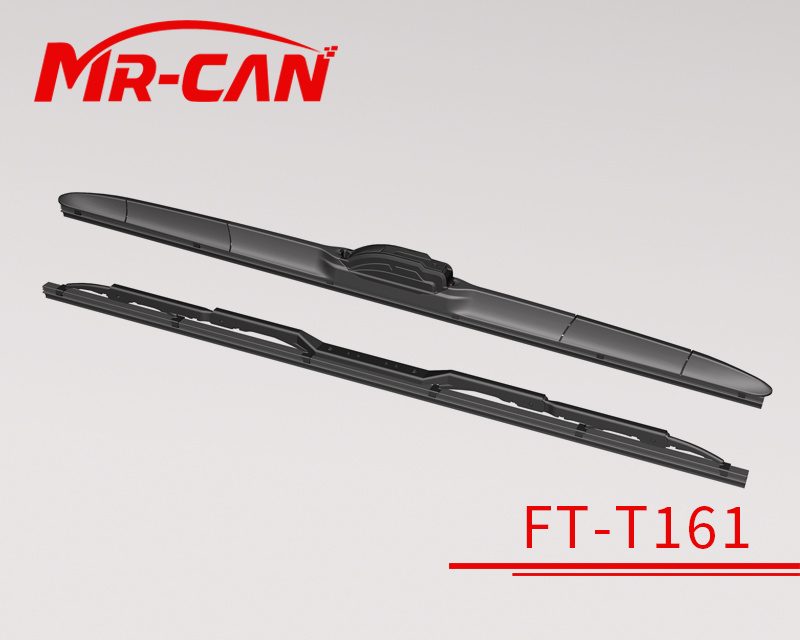
These are the most commonly used blades, featuring a simple design with a metal frame. They are effective in moderate weather conditions but may struggle in heavy rain or snow.
2. Beam Wiper Blades
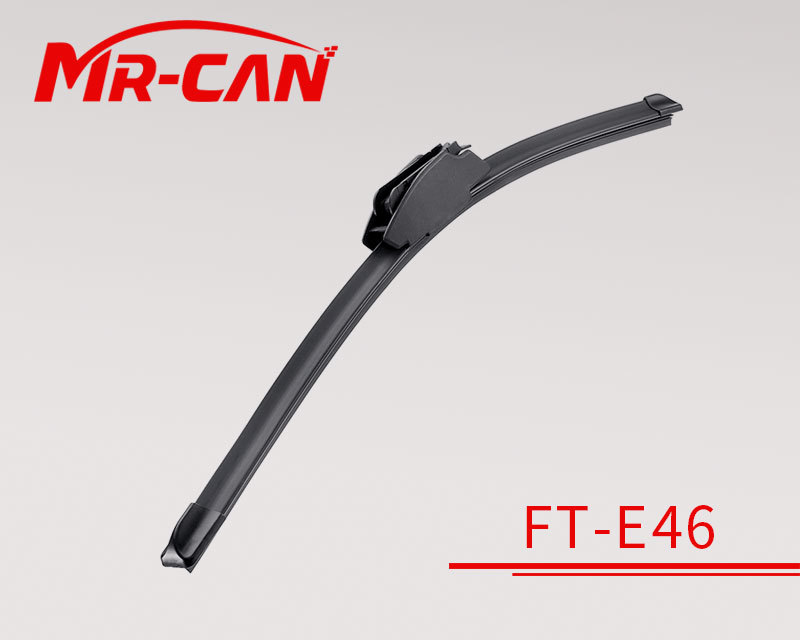
Beam blades have a sleek, frameless design that provides better contact with the windshield. They are more effective in severe weather and are resistant to ice and snow buildup.
3. Hybrid Wiper Blades
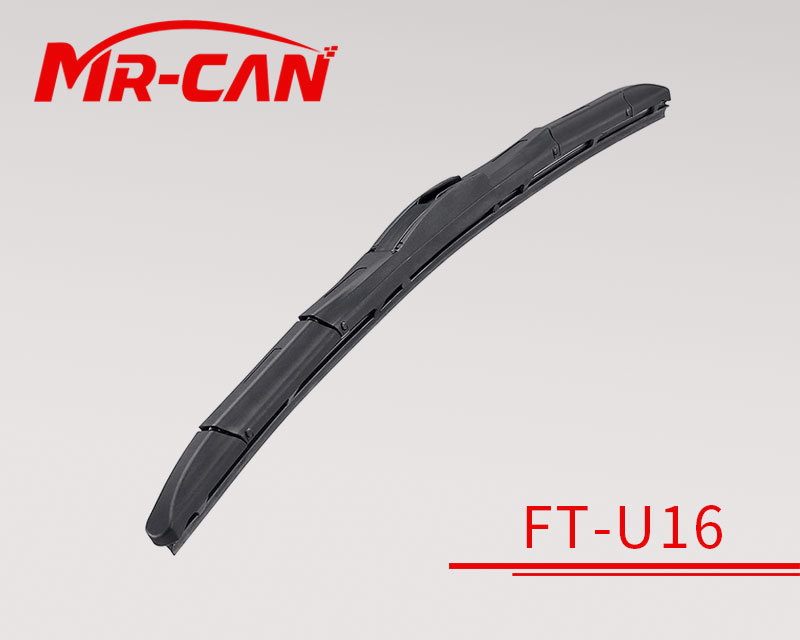
Combining the best features of conventional and beam blades, hybrid wiper blades offer excellent performance and durability. They often feature a rubber outer shell for flexibility with a rigid internal frame for support.
Materials Used in Bus Wiper Blades
The performance and longevity of wiper blades depend significantly on the materials used in their construction.
1. Rubber vs. Silicone Blades
Rubber blades are standard, providing a good balance between cost and performance. However, silicone blades offer enhanced durability and resistance to UV rays, making them a preferred choice for many bus fleets.
2. Coatings and Treatments
Many wiper blades come with special coatings that repel water and reduce friction. This feature enhances visibility and prolongs the life of the blades.
The Importance of Regular Wiper Blade Maintenance
Regular maintenance of wiper blades is essential to ensure their effective operation.
1. Inspecting Wiper Blades
Drivers should routinely check the condition of wiper blades. Signs of wear, such as cracking or fraying, indicate that it's time for a replacement.
2. Cleaning the Windshield
Dirt and grime on the windshield can hinder the performance of wiper blades. Keeping the glass clean ensures that blades operate effectively and do not wear out prematurely.
3. Seasonal Replacement
Many experts recommend replacing wiper blades at the change of seasons. Harsh winter conditions can damage blades, while summer heat can cause rubber to deteriorate.
Common Issues with Bus Wiper Blades
Despite their critical role, wiper blades can experience issues that may compromise their performance.
1. Streaking
If wiper blades leave streaks on the windshield, it may be due to dirt buildup or worn-out rubber. Regular cleaning and timely replacements can solve this problem.
2. Skipping or Chattering
This issue occurs when the wiper blades do not make proper contact with the glass. It can be caused by bent wiper arms or poor-quality blades.
3. Noisy Operation
If the wiper blades produce noise during operation, it may be a sign of dirt on the blades or a need for lubrication in the motor system.
Environmental Impact of Wiper Blades
As awareness of environmental issues grows, so does the concern regarding the materials and disposal of wiper blades.
1. Eco-Friendly Options
Some manufacturers are now producing eco-friendly wiper blades made from biodegradable materials. These options contribute to reducing the environmental footprint of public transportation.
2. Recycling Programs
Participating in recycling programs for old wiper blades ensures that materials are reused, reducing waste and promoting a circular economy.
FAQs about Bus Wiper Blades
1. How often should I replace bus wiper blades?
It’s recommended to replace wiper blades every six months to a year, depending on wear and weather conditions.
2. What causes wiper blades to wear out quickly?
Frequent use in harsh weather conditions, inadequate cleaning, and poor-quality blades can shorten the lifespan of wiper blades.
3. Can I use regular car wiper blades on a bus?
While some car wiper blades may fit, it is best to use wiper blades specifically designed for buses, as they are engineered for larger surfaces and greater performance.
4. How can I improve the lifespan of my wiper blades?
Regular inspections, cleaning the windshield, and replacing blades at the first sign of wear can significantly extend their lifespan.
5. Are silicone wiper blades better than rubber ones?
Silicone blades generally offer better performance and durability compared to rubber blades, particularly in extreme weather conditions.
Conclusion
Bus wiper blades are an essential but often overlooked component of public transportation safety. By understanding their mechanics, types, and maintenance, we can ensure that these critical devices perform optimally, providing a clear view for drivers and a safer journey for passengers. Remember, regular maintenance and timely replacement are vital for the longevity and effectiveness of wiper blades, making them a key focus for bus fleet management.
Keywords:
More information

Xiamen Flatech Auto Parts Co.,Ltd
Address:6/F.,No.11-12,Tongan lnd.Zone Meixi Rd, Tongan Xiamen China.